Classic Rye Bread
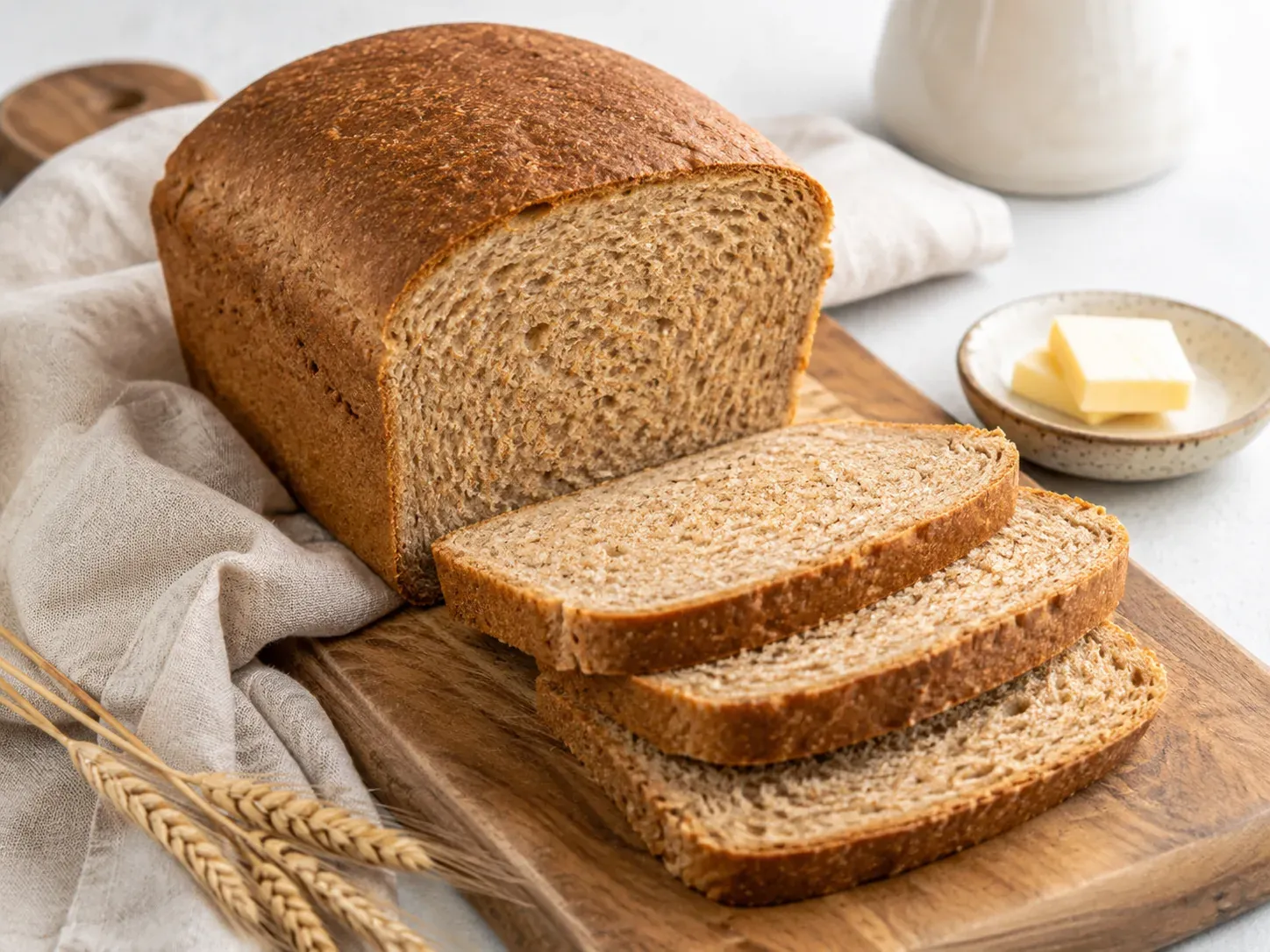
A hearty but approachable rye loaf with a soft crumb, a light molasses sweetness, and optional caraway for the classic flavour.
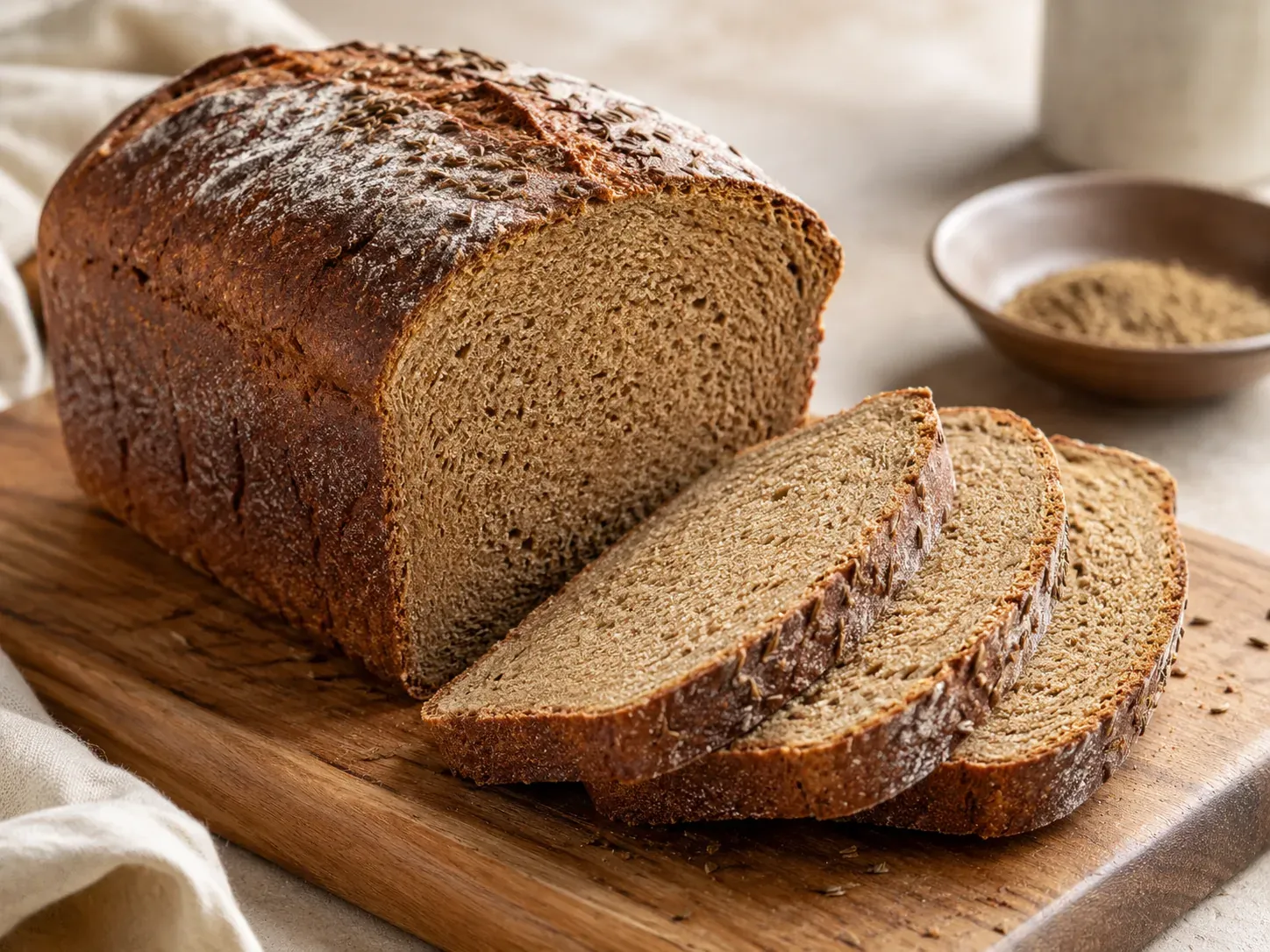
- Measurements grams + cups
- Cuisine Eastern European
Why You'll Like This Recipe
- Seventy percent bread flour to thirty percent rye, which gives real rye flavour without the brick-like density pure rye can produce.
- The molasses does two jobs — colour and a faint sweetness that offsets the rye's sourness.
- Caraway is optional rather than assumed, so it can be a deli rye or a plain hearty sandwich loaf.
Recipe
Classic Rye Bread
An approachable rye loaf with molasses and optional caraway.
Ingredients
Ingredients scaled. The method below still refers to the original quantities.
Instructions
- Step 1. Mix the bread flour, rye flour, yeast, salt and caraway seeds if using.
- Step 2. Add the warm water, molasses and olive oil. Mix until a sticky dough forms.
- Step 3. Knead for 8 to 10 minutes. The dough will stay slightly tackier than white bread because rye develops less gluten.
- Step 4. Cover and rise for 60 minutes, until visibly puffy.
- Step 5. Shape into a round or oval loaf and place on parchment. Cover and rise for 25 to 30 minutes.
- Step 6. Heat the oven to 220 C / 425 F. Score the top with a sharp knife.
- Step 7. Bake 15 minutes, then reduce the oven to 190 C / 375 F and bake another 20 to 25 minutes.
- Step 8. Cool for at least 1 hour before slicing.
Notes
- Rye dough stays stickier than wheat dough at every stage, and it never becomes smooth and springy in the same way. Adding flour until it feels familiar gives a dry, heavy loaf.
- The two-stage bake matters. The initial blast at 220 C sets the crust and gives the loaf its rise; dropping to 190 C lets the centre cook through without the outside burning.
- Cool it fully, and preferably wait until the next day. Rye is one of the breads that genuinely improves overnight as the moisture redistributes.
Classic Rye Bread — Simple Table Recipes · https://simpletablerecipes.com/recipes/classic-rye-bread/
Ingredient Notes
- Rye flour
- Rye contains little of the gluten-forming protein wheat has, and it also contains gums that make the dough sticky. That is why this recipe is only thirty percent rye — enough for the flavour, not so much that the loaf cannot rise.
- Molasses
- Provides the dark colour people expect from rye, plus a faint bitterness that suits it. Honey works and gives a lighter, sweeter loaf.
- Caraway
- What most people actually mean by "rye flavour" is caraway. Leave it out and you have a perfectly good dark sandwich loaf that tastes noticeably less like deli rye.
Equipment
- Large mixing bowl or stand mixer
- Baking sheet
- Parchment paper
- Sharp knife or lame
Substitutions
- Rye flour
- Dark or pumpernickel rye gives a stronger, earthier loaf. Do not push the proportion much past a third unless you want a considerably denser bread.
- Molasses
- Honey, dark treacle or brown sugar in the same weight. Each shifts the colour and sweetness slightly.
- Caraway
- Fennel or dill seed give a different but traditional character. A tablespoon of cocoa powder alongside the molasses deepens the colour without adding chocolate flavour.
Storage & Freezing
Storing: Keep cut-side down on a board or in a paper bag for up to 3 days. Rye keeps better than white bread and is at its best on day two.
Freezing: Freeze whole or sliced for up to 3 months. Slices toast well straight from frozen.
Frequently Asked Questions
Why is my rye bread so dense?
Usually too high a proportion of rye flour, or extra flour worked in during kneading because the dough felt sticky. Rye has very little gluten-forming protein, so a loaf made mostly of it cannot hold gas the way wheat bread does. Thirty percent is a workable ceiling for a light loaf.
Why is rye dough so sticky?
Rye contains pentosans, gums that absorb a great deal of water and stay tacky. It is normal and it does not mean the dough needs more flour. Wet your hands slightly rather than flouring the surface heavily.
Do I have to use caraway seeds?
No. They are what gives deli rye its familiar taste, so leaving them out makes a milder loaf that still works for sandwiches. Add them if you want the bread to taste the way most people expect rye to taste.
Can I make rye bread without molasses?
Yes. Honey or brown sugar work in the same quantity. The loaf comes out lighter in colour and slightly sweeter — molasses is mostly there for colour and a faint bitterness.
Why did my rye loaf spread out flat?
Over-proofed, or shaped too loosely. Rye has less structure to hold a shape, so build surface tension when shaping, keep the second rise short, and get it into a fully preheated oven.
Can I bake this in a loaf pan?
Yes, and it is the easier option since the pan supports the dough. Use a 9 x 5 inch pan, keep the same two-stage bake, and check for about 93 C / 200 F in the centre.
Did you make this?
Let other people know how it went. One tap, nothing to fill in.
Thanks — that helps.